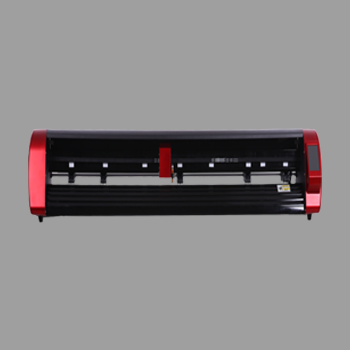
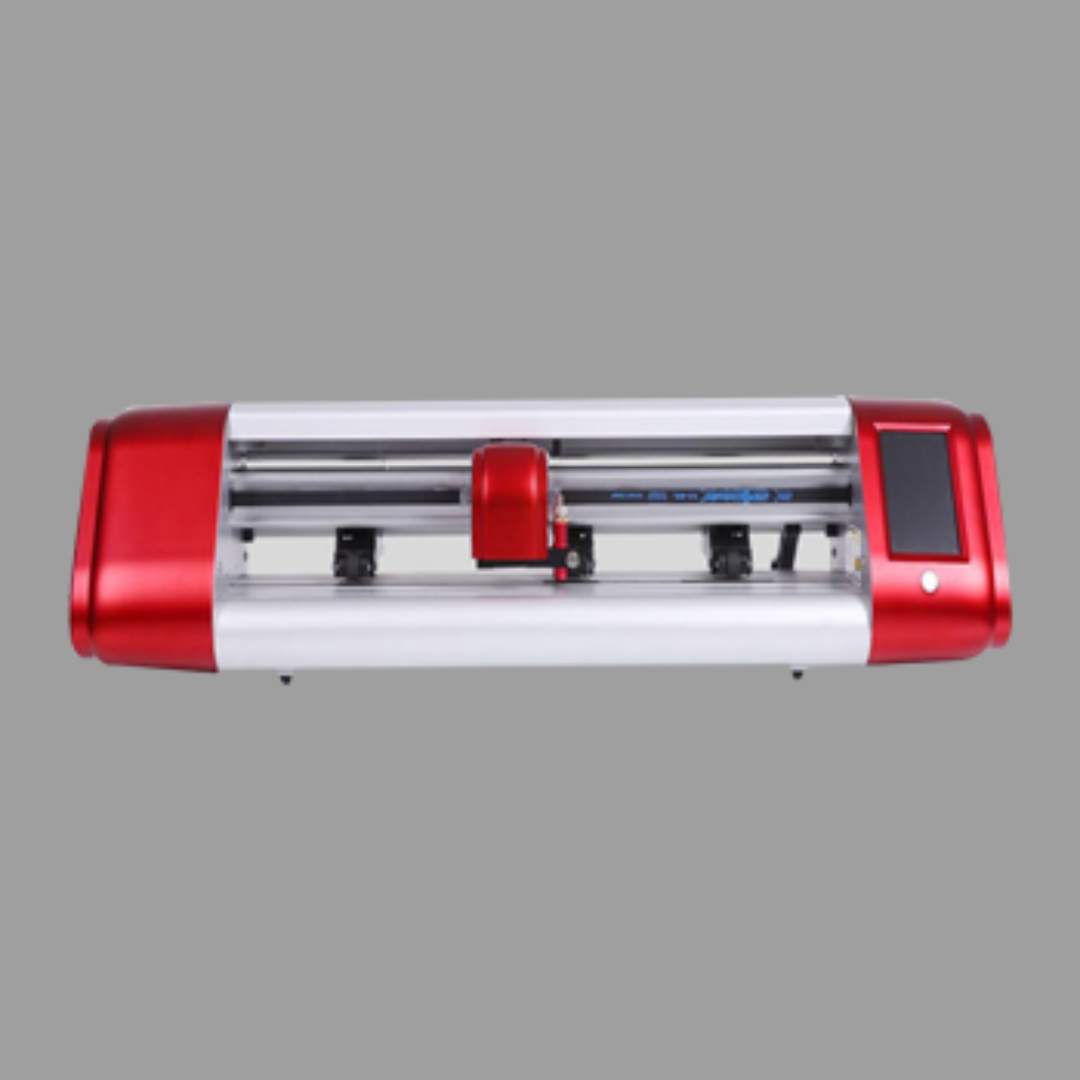
A die cutting machine cuts finished shapes from sheet or board. Historically that meant pressing a steel rule die into the material. Today many shops searching for the same phrase want a digital die cutting machine: a blade or crease cutter that follows a file and skips the die for samples and short runs.
This buying guide from Skycut India explains both meanings, when steel still wins, and which Skycut models replace dies for changing jobs. Packaging-only detail is in packaging cutting machine. Kiss cut vs die cut sticker styles is in kiss cutting machine.
Quick answer
What a die cutting machine is
In a steel-rule press, a custom die stamps the outline. Tooling is made per shape. Change the design and you wait for a new die.
In a digital die cutting machine, the outline lives in software. The cutter moves a blade (and often a crease tool) along the path. That is what print and packaging shops usually mean when they say they need a die cutting machine for samples, short runs and custom sizes – not a craft punch for paper crafts.
Steel die vs digital
| Steel die cutting machine | Digital die cutting machine | |
|---|---|---|
| Tooling | Steel rule die per shape | Vector file; blades / crease tools |
| Changeover | New die, setup time | Open next file and run |
| Best run length | Very high repeat volume | Samples to medium / mixed runs |
| Skycut example | — | A Series, flatbed, D Series |
Wider digital vs other cutting methods sit in digital cutting solutions.
When digital wins
- New carton sizes every week – no die queue.
- Prototypes and client samples before a long run.
- Mixed sticker through-cuts and small packs on the same floor.
- Rigid board blanks that need vacuum hold-down on a flatbed.
Keep a steel die line only when one SKU already fills the press all day. Until then, digital tooling cost is the blade and the file.
Looking for a die cutting machine?
Tell us blank size, material and daily volume. We will suggest a digital Skycut model and share the price.
How to choose
- Confirm the job is shapes from sheet or board, not roll vinyl lettering.
- Ask for cut and crease if blanks must fold. Dual-head models help.
- Match bed or feeder size to your largest blank. Oversized board needs a flatbed.
- Plan force and tools for the thickest stock you will run. See cutting force.
- Get a quote and training on +91 9990391515 or via enquiry.

Skycut models
| Model | Choose it when |
|---|---|
| A3 Max 5 | Sheet stacks need cut and crease without a steel die |
| F6090 | Larger or rigid board blanks on a vacuum table |
| F4560 | Smaller flatbed footprint for board die-cut style work |
| D24 / D48 | Dual-head cut and crease on wider production media |
Wrong machine for the job
- Roll vinyl plotter only – names and radium, not carton dies. See vinyl cutting plotter.
- Craft desktop cutters – fine for hobbies, weak for shop board and daily cartons.
- Buying for kiss-cut sticker sheets only – start with kiss cutting machine / A Series feeder guidance instead.
- One fixed mega-run forever – a paid-off steel die line can still win on cost per piece.
Frequently asked questions
Final thoughts
Search for a die cutting machine and decide whether you need steel tooling or a digital cutter. For changing sizes, samples and short runs, Skycut A3 Max 5, flatbeds and D Series act as digital die cutting machines. For packaging workflows in depth, read packaging cutting machine.