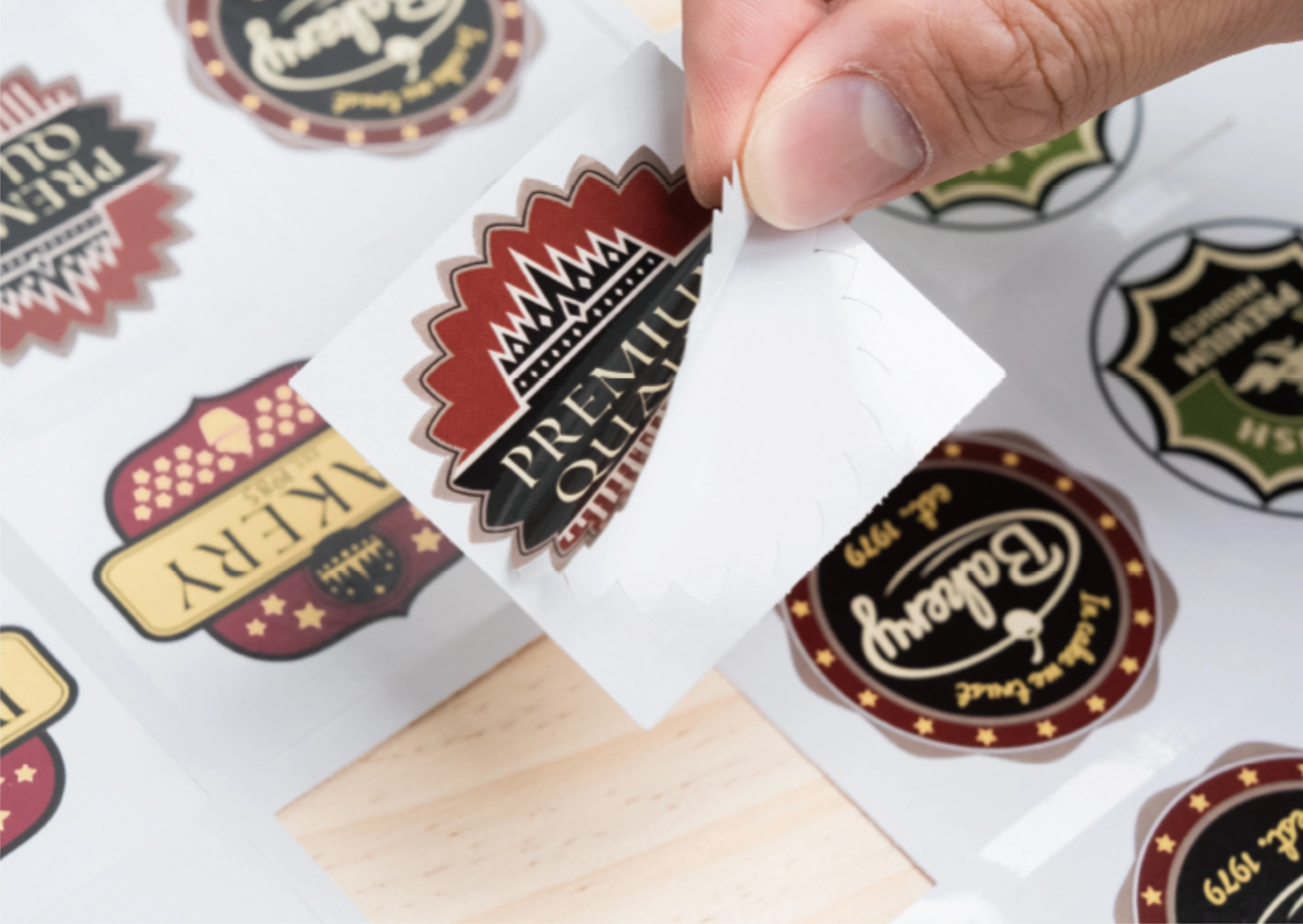
Cardboard cutting turns cardboard sheets into panels, inserts, displays and fold-ready blanks. The board stays flat. The blade cuts the outline. A crease tool marks folds when the blank must bend.
This guide from Skycut India shows how cardboard cutting differs from vinyl work, how to run a job, and which machine fits. Flatbed basics are in flatbed. Short-run pack workflow is in packaging cutting.
Quick answer
What cardboard cutting is
You start from a design file. The plotter cuts the cardboard to shape. If the blank folds into a box or stand, crease paths run on a separate tool so the board bends without tearing. Digital cardboard cutting suits samples and short runs when a steel die is not worth ordering yet.
Soft invitation card and stiff packaging board are different materials. Match force and machine type to the board you actually buy.
Cardboard vs vinyl cutting
| Vinyl cutting | Cardboard cutting | |
|---|---|---|
| Media | Flexible roll film | Flat sheet board |
| Hold-down | Pinch rollers | Vacuum bed or sheet guides |
| Typical cut | Kiss cut to liner | Through cut; crease for folds |
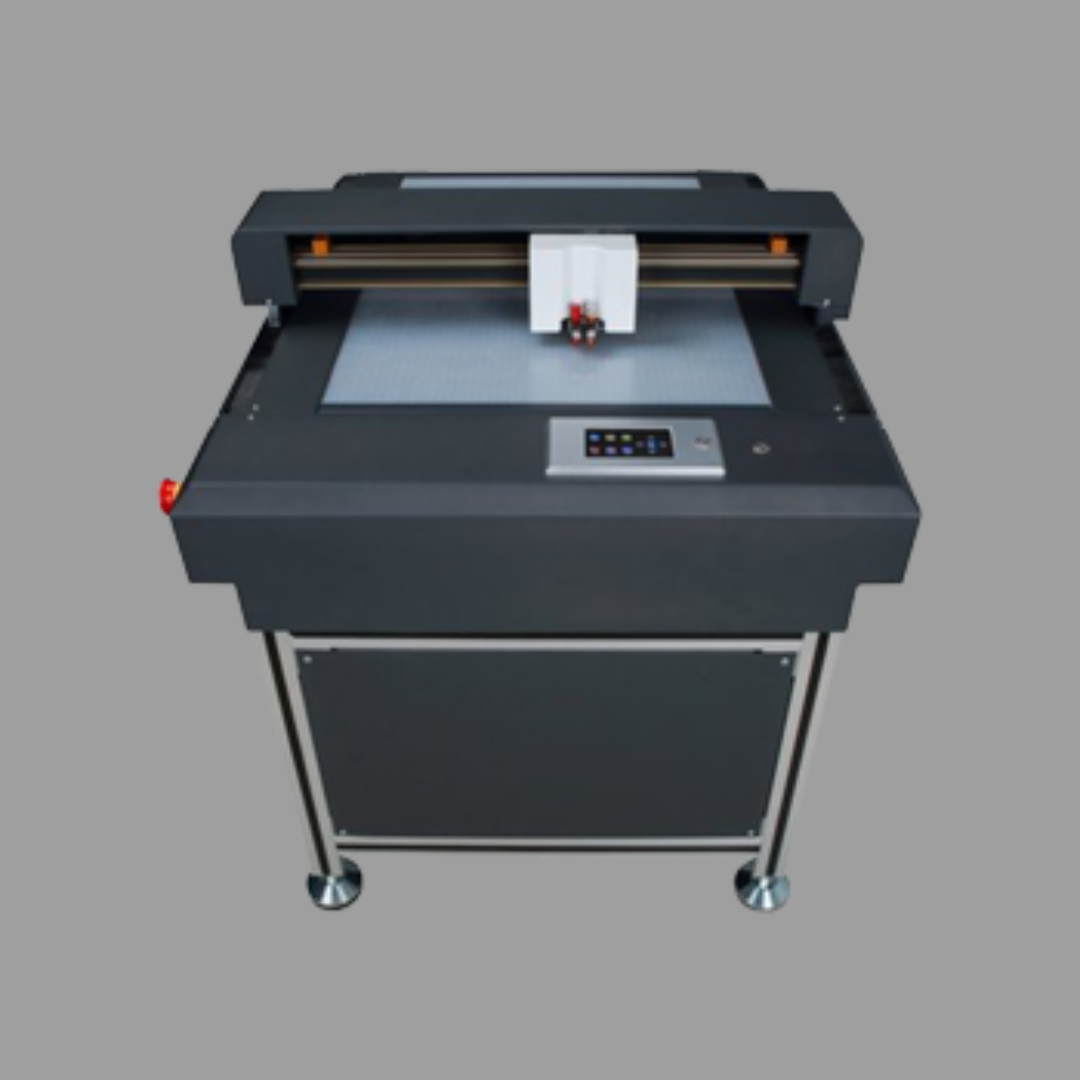
| Skycut example | V24 / VH | F6090 / F4560 or A3 Max 5 |
Jobs cardboard cutting covers
- Carton blanks and sample boxes with cut outlines and crease folds. See box making machine.
- Inserts and pads that sit inside a pack.
- Display stands and counter cards cut from sheet board.
- Short-run sleeves and folders when sizes change often.
Cutting cardboard every day?
Tell us board thickness and blank size. We will suggest a flatbed or sheet cutter and share the price.
How to cut cardboard
Check board thickness
Confirm the cardboard is stiff enough to need a flatbed, or thin enough for a sheet feeder. Send max size with your enquiry if unsure.
Place and hold the sheet
On a flatbed, lay the board flat and turn the vacuum on so it cannot shift. On a sheet cutter, square the stack to the guides.
Separate cut and crease paths
Outlines and windows are cuts. Fold lines are creases. Do not send folds to the blade.
Cut a test blank
Run one sample. Fold it by hand. Fix crease force or path assignment before a full run.
Run the job
Clear finished blanks, keep the bed clean, and reload the next sheet. Watch the first few for slip or incomplete cuts.
Path rules for folds are in crease and cut. Force tips are in cutting force.

Which Skycut machine
| Job | Machine |
|---|---|
| Rigid cardboard, half-cut / full-cut / boxes | F6090 |
| Flatbed cardboard with large touch screen | F4560 |
| Thinner sheet cartons, cut + crease stack | A3 Max 5 |
| Vinyl lettering only | V24 – not for cardboard |
Call +91 9990391515 or send an enquiry with board type and blank size.
Common problems
| What you see | What to change |
|---|---|
| Board slips mid-cut | Turn vacuum on; keep the sheet inside the hold-down zone |
| Cut does not go through | Raise force carefully; check blade wear; confirm through-cut path |
| Fold tears open | That path was a cut. Move folds to the crease tool |
| Panel will not bend | Increase crease a little and retest on the same board |
| Roller machine jams | Cardboard is too stiff for a roll plotter. Move to a flatbed |
Frequently asked questions
Final thoughts
Cardboard cutting succeeds when the board is held flat and folds stay on a crease tool. Use the F6090 or F4560 for rigid cardboard. Use the A3 Max 5 for thinner sheet cartons. Keep roll vinyl machines for film work. For machine layout, read flatbed. For pack samples, read packaging cutting.
.webp)
.webp)