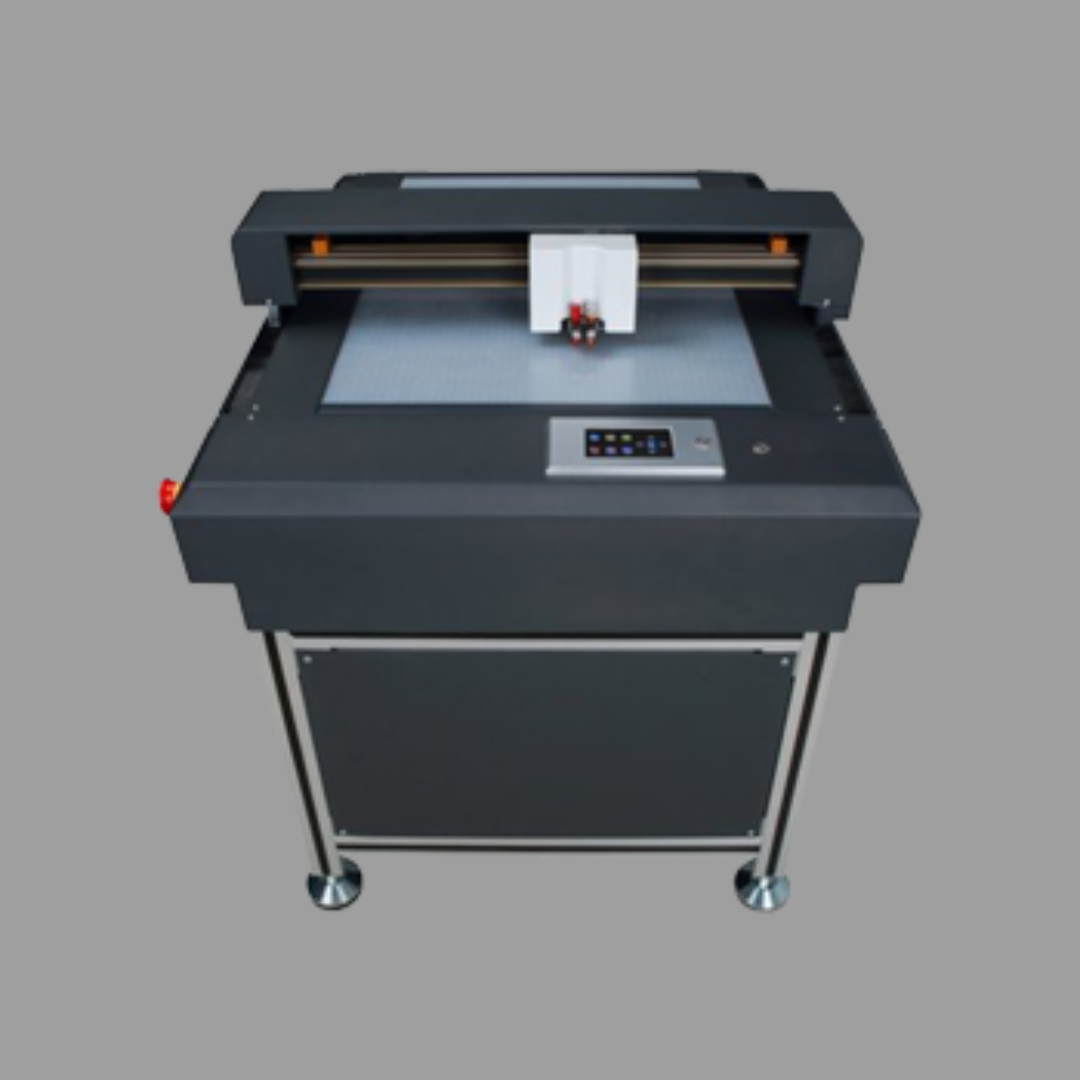
An invitation card cutting machine finishes wedding and event cards after printing. It cuts the outer shape and creases the fold so the card opens cleanly. Without a crease tool, thick card cracks or tears on the spine.
This buying guide from Skycut India shows which features matter and how to choose between the A3 Max 5 and the D Series. How fold lines and outlines stay on different tools is in crease and cut.
Quick answer
What an invitation card cutting machine is
The machine finishes card stock. You print the invitation, load the sheet or blank, and the plotter creases the fold and cuts the outline. Shaped cards, gate folds and multi-panel invites all use the same idea: separate crease paths from cut paths.
It is not a steel die press and not a roll lettering plotter. Dies suit one repeat shape at high volume. An invitation card cutting machine suits short runs and custom designs without ordering a new die for every wedding.
Features that matter
- Crease tool so the spine folds without cracking the print.
- Through-cut control for clean outer edges and shaped panels.
- Dual heads when crease and cut should finish in one pass. See dual head.
- Camera registration when borders and panels must match the print.
- Enough force for your board – thick invitation card needs more pressure than thin sticker sheets.
A3 Max 5 vs D Series vs vinyl
| Machine type | Best for | Skycut example |
|---|---|---|
| Dual-head sheet cutter | Printed invitation sheets with fold + outline | A3 Max 5 |
| Dual-head high-force plotter | Thicker or wider card blanks | D24 / D48 |
| Camera contour plotter | Flat die-cut cards with no fold | C24 / CX |
| Vinyl roll plotter | Names and stickers – not invitation folds | V24 |
Buying for wedding invitations?
Tell us your card thickness and sheet size. We will suggest an invitation card cutting machine and share the price.
How to choose
- Confirm you need a crease. Folded invitations need one. Flat shaped cards may need cut only.
- Match the machine to volume. Repeated printed sheets favour the A3 Max 5 feeder. Custom thick blanks favour D Series.
- Ask about dual heads so crease and cut finish together instead of two separate setups.
- Test your board. Soft card and laminated board crease differently. Bring a sample when you enquire.
- Get training on path assignment. Call +91 9990391515.
_1.webp)
Skycut models
| Model | Choose it when |
|---|---|
| A3 Max 5 | Sheet invitation runs that need cut and crease in one pass |
| D24 | Thicker card and dual independent heads on a 720 mm class machine |
| D48 | Wider dual-head invitation and card work |
Browse the A Series and D Series pages, then send an enquiry for the current price.
Wrong machine for invitations
- Vinyl-only roll plotter – no proper crease workflow for folded cards.
- Sticker kiss-cut only – leaves a liner; invitations need a through-cut edge. See sticker cutting machine.
- Packaging flatbed only – for rigid cartons, not everyday wedding card sheets. See packaging cutting machine.
Frequently asked questions
Final thoughts
Buy an invitation card cutting machine with cut and crease first. The A3 Max 5 fits sheet invitation runs. The D24 / D48 fit thicker dual-head cards. Keep a vinyl plotter only if you also sell lettering and stickers. For tool-path setup, read crease and cut.
.webp)
.webp)